
Nothing is more annoying than pressing the gas pedal and feeling your automobile lurch, stop, or stumble. Acceleration jerks aren’t just annoying; they can also be a symptom of mechanical faults that, if you don’t fix them, could get worse. If you know why your car shakes when you speed up, you can fix the problem before it becomes worse. In straightforward, practical language, this article discusses typical causes, warning indications, quick remedies, and ways to avoid problems.
What Acceleration Jerks Are
When your car has trouble sending smooth power from the engine to the wheels, it jerks. This can happen in both manual and automatic cars, and the severity may depend on how fast you’re going, how much weight the engine is carrying, or the weather. Fuel delivery problems, ignition problems, gearbox problems, or sensor problems are the most common causes of jerking. To find the main reason, you need to pay attention to when the jerking happens, including when you’re going slowly, quickly, or suddenly speeding up.
A healthy engine and drivetrain will make your car speed up smoothly. If you stop this procedure, your car will suddenly jerk, stop, or vibrate. Resolving the root problem not only makes the car easier to drive, but it also stops costly repairs from happening in the future.
What Makes a Car Jerk
There are a number of things that can make an automobile jolt when it speeds up. A dirty or blocked fuel system is one of the most common causes. When fuel injectors, fuel filters, or gasoline lines are only partially blocked, they don’t deliver fuel properly, which makes the engine run unevenly. The engine might not get enough fuel at the right time, which could make it hesitate or jerk.
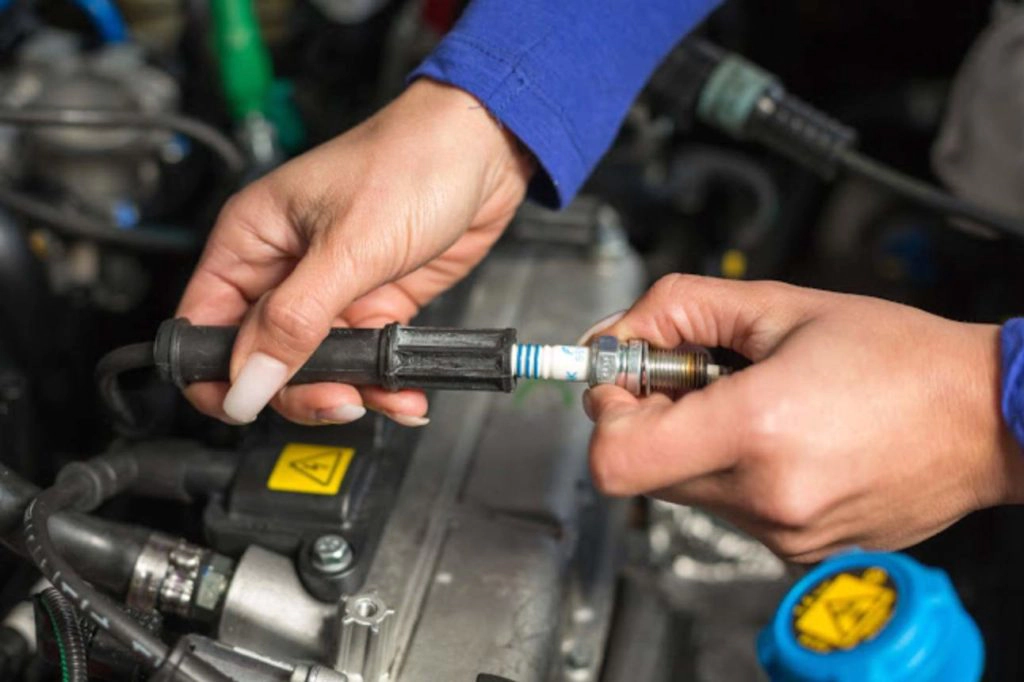
Another common reason is issues with the ignition system. If the spark plugs are worn out, the ignition coils are broken, or the spark plug wires are bad, the combustion process can be messed up. When the engine doesn’t start properly, it misfires, which makes the car jolt when it speeds up. When there are problems with the ignition, drivers often hear a gruff engine sound or feel a tremor in the steering wheel.
Jerking might also happen because of difficulties with the gearbox. Fluid pressure and mechanical parts help automatic transmissions shift smoothly. When the vehicle changes gears, it can jerk suddenly if the gearbox fluid is low, the torque converter is broken, or the gearbox parts are worn out. If the clutch wears, is not calibrated correctly, or is not used correctly, a manual gearbox car may jerk.
Other reasons include problems with sensors, like a broken mass airflow sensor, throttle position sensor, or oxygen sensor. These parts assist the engine control module in changing the mix of air and fuel. If the sensors give wrong information, the engine can stutter, misfire, or jerk when you speed up. Extreme temperatures or dirty fuel are two examples of environmental conditions that might make these problems worse.
How to Tell If Your Car Is Jerking
Knowing the indicators of acceleration jerking can help you figure out what’s causing it. When you press the gas pedal, the car may suddenly lurch or hesitate, and the engine may vibrate unevenly, lose power, or make strange noises. Some drivers see a flashing check engine light, which means that the car’s computer has found a problem.
Jerking might happen all the time or only sometimes. For example, reluctance might only happen when driving uphill or speeding up quickly. Sometimes, the jerking is accompanied by poor fuel economy or stalling, which means that the engine is having trouble running smoothly. To make an accurate diagnosis, you need to watch the pattern, frequency, and conditions of jerking.
Problems with the Fuel System and How to Fix Them
One of the most prevalent reasons for acceleration jerks is difficulties with the fuel system. If your fuel injectors are dirty or clogged, they won’t distribute fuel consistently. If your fuel filter is dirty, it will slow down the flow. Fuel that is low quality or polluted can also stop combustion.
To fix jerking caused by fuel, you need to check and clean the fuel injectors, change the fuel filters, and use high-quality fuel. In some circumstances, fuel system additives could help break down small deposits. Regularly changing the gasoline filter, not going to gas stations with bad gas, and cleaning the fuel system every so often are all ways to avoid problems. Fixing problems with the fuel system not only makes acceleration smoother, but it also makes the engine work better and last longer.
Problems with the Ignition System and How to Fix Them
If the ignition system isn’t working right, the car may jolt when you speed up. Ignition coils make the electrical charge that starts the fire, and spark plugs light the fuel-air mixture. If the plugs are worn out, the coils are broken, or the wires are bad, the ignition won’t work right, which causes misfires.
The usual fix is to replace spark plugs that are worn out, ignition coils that are broken, and wires that are broken. Depending on the car, regular maintenance schedules say to change spark plugs every 30,000 to 100,000 miles. Using good spark plugs and ignition parts helps maintain the engine running smoothly and stops it from jerking.
Jerking in the Gearbox
Both automatic and manual transmissions can cause jerking. In automatic cars, insufficient gearbox fluid, worn clutch packs, or a broken torque converter can cause the car to suddenly lurch as you change gears. If the clutch is slipping, worn out, or not set up well, manual transmissions can jerk.
The type of gearbox affects the fixes. If you have an automatic gearbox, you may need to flush the fluid, change the filter, or fix the torque converter. A lot of the time, manual transmissions require their clutches to be replaced or adjusted. Checking fluid levels and maintaining the gearbox on the manufacturer’s schedule are examples of regular maintenance that can help prevent jerking.
Problems with Sensors and Electronics
Sensors are quite important for modern cars to keep their engines running well. If the mass airflow sensors, throttle position sensors, or oxygen sensors are broken, they may send the wrong information to the engine control module. This might lead to a bad fuel-air mix, which would make the car jolt when it speeds up.
Most of the time, you need an OBD2 scanner to interpret error codes in order to find sensor problems. Replacing or cleaning broken sensors fixes the problem and makes acceleration smooth again. Part of regular maintenance includes keeping sensors in good shape. This helps the engine run smoothly, uses less fuel, and produces fewer emissions.
Factors that Affect the Environment and Fuel Quality
The weather can alter how well an engine works and make it jerk. Very hot or very cold weather can change how fuel is atomized, how thick engine fluids are, and how much air is taken in. Low-quality petrol or fuel that has been contaminated might make these problems worse, causing hesitancy as you speed up.
Drivers should pay attention to the weather and the quality of the fuel. To keep the system clean, use fuel additives, park the car in a cool, shaded place, and avoid getting fuel from sources that are dirty. This will help keep the car from jerking and running smoothly in all conditions.
What to Do Right Away When Your Car Jerks
If your automobile starts to jerk while you’re driving, there are a few things you can do. To keep the engine from getting more stressed, slow down and keep a consistent speed. Don’t make sudden moves until the problem is fixed. Look at the dashboard for warning lights and think about utilizing an OBD2 tool to look for diagnostic codes.
If the problem keeps happening or gets worse, it’s best to stop driving and call a repair. If you keep driving a car that shakes, it could harm the engine, gearbox, or other important parts. Taking action early keeps you safe on the road and stops repairs that cost more.
Preventive Maintenance to Stop Jerking
Regular maintenance is the first step in stopping acceleration jerks. Regularly cleaning the fuel system, changing the spark plugs, and checking the sensors all help keep the engine running smoothly. You need to check the gearbox fluid and take care of the clutch on both automatic and manual cars.
To keep your car in good shape, you should also check the fluid levels, use high-quality fuel, and follow the service intervals that the manufacturer recommends. Driving carefully, like not speeding up too quickly and keeping your load light, lowers the chance of jerking even more. Taking action before problems happen will make your car last longer, work better, and be more reliable.
Why Professional Diagnostics Are Important
You can fix basic jerking problems at home, but for more complicated ones, you usually need to see a specialist. Mechanics may do full inspections, read trouble codes, and test parts in real-world situations. This makes sure that the real cause is found and that the wrong diagnosis doesn’t happen, which could lead to fixes that aren’t needed.
Professional diagnostics are very crucial when there are problems with the gearbox, the sensors, or the engine that keeps misfiring. Hiring a professional to work on your car will save you money, make you less frustrated, and get it back to smooth acceleration, which will make it safer and more fun to drive.
Ignoring Jerking can Have Long-term Effects
Not paying attention to acceleration jerks can have serious effects. If your engine misfires for a long time, it might hurt the pistons, valves, and catalytic converters. If you don’t fix gearbox problems, they could lead to a complete failure of the gearbox. When sensors don’t work right, they might cause problems with fuel efficiency and pollution.
Fixing jerking early keeps the car running well, stops it from breaking down, and saves money on maintenance. Drivers who neglect small problems typically end up with much greater repair expenditures and lengthier downtime, which shows how important it is to pay attention to and maintain their cars on time.
Conclusion
When your car jerks when you’re speeding up, it’s an obvious clue that something is wrong. Fuel system problems, ignition problems, gearbox problems, sensor problems, and environmental conditions are all common reasons. To stop more damage from happening, you need to know the indicators, the reasons, and how to remedy them right away. The best strategies to keep your car speeding up smoothly are to do regular maintenance, get professional diagnostics, and drive carefully. Taking care of your car and fixing any jerking right away can safeguard your investment, make sure it runs well, and keep you safe on the road.
FAQs
1. Is it unsafe to drive a car that shakes when you speed up?
Yes, jerking can be a sign of significant difficulties with the engine or gearbox. If you don’t fix the problem, you could damage the engine, oil, or gearbox or make driving unsafe.
2. How can I tell if the fuel system is making the jerking happen?
If your car jerks as you speed up and the engine runs rough or loses power, it could be because of problems with the fuel system, such as blocked injectors or filters. A professional inspection confirms the cause.
3. Can old spark plugs make the car jolt when it speeds up?
Of course. If the spark plugs are worn out or unclean, or if the ignition coils or wires are broken, the combustion process is interrupted, causing misfires and jerking when you speed up.
4. Is it typical for jerking to be caused by problems with the gearbox?
Yes. Low gearbox fluid, broken torque converters, or worn gears can make automatic cars jerk. Clutch wear or faulty engagement can make manual cars jerk.
5. How can I stop my automobile from jerking in the future?
Regular maintenance, cleaning the fuel system, changing the spark plugs, checking the sensors, and being careful when driving can all help keep your car from jerking and keep the acceleration smooth.

Written by Michael Reyes, part of the FallasDeAutos editorial team. Michael focuses on helping car owners understand and fix common vehicle problems with simple, practical guidance. His content covers diagnostics, maintenance, and troubleshooting, making complex automotive issues easier to understand. He aims to provide clear, reliable information that helps readers make informed decisions while encouraging consultation with qualified mechanics when needed.