People often neglect their car’s cooling system until a malfunction occurs, even though it is crucial for a smoothly running engine. The cooling system prevents the engine from overheating, keeps it at an optimal operating temperature, and prevents premature wear on essential parts. Neglecting regular maintenance or failing to follow simple maintenance procedures can ultimately lead to expensive repairs, engine damage, and annoying breakdowns. Understanding how the cooling system works and proper maintenance can extend the lifespan of your car and ensure it continues to run trouble-free for years.
Understanding How a Car’s Cooling System Works
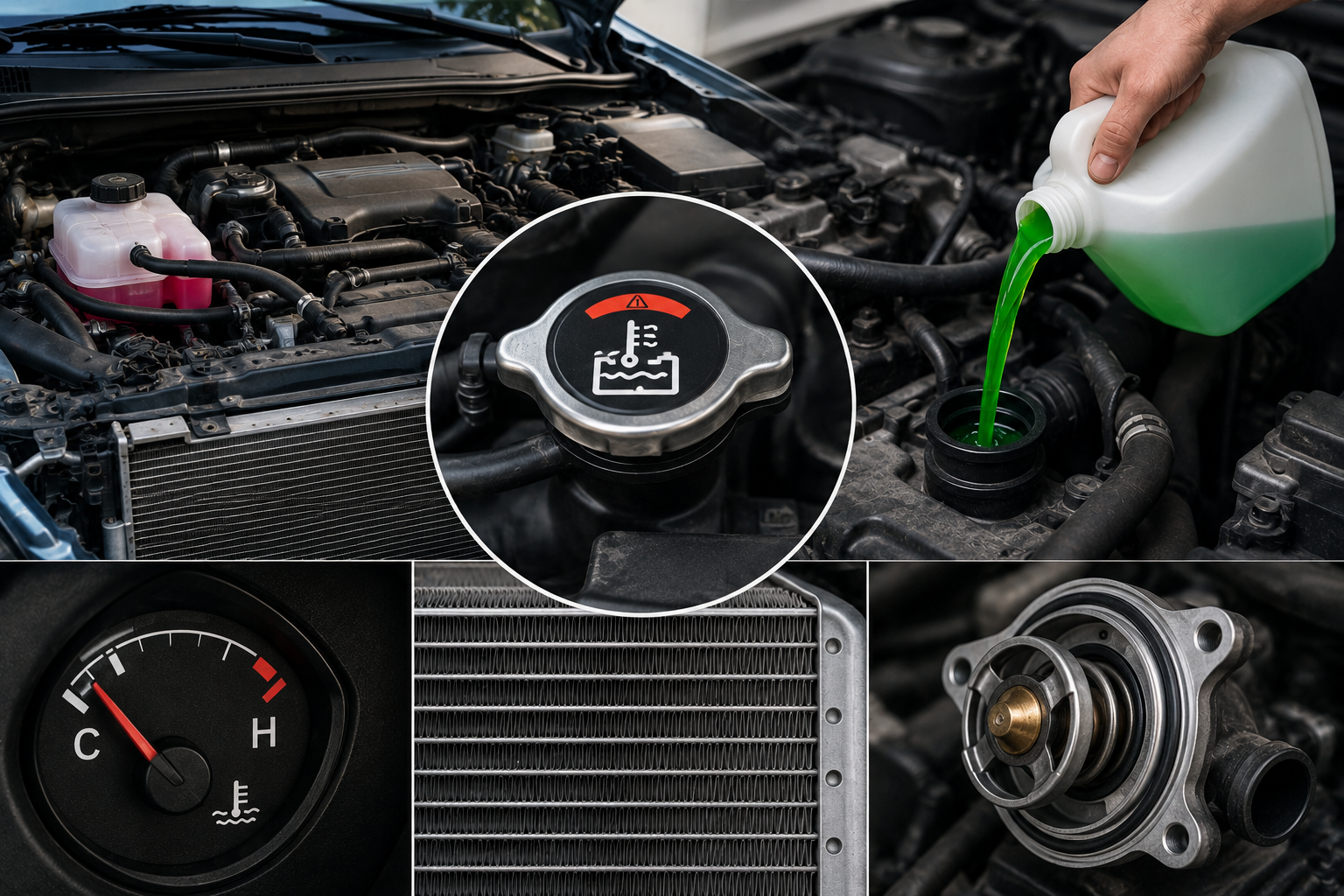
Before protecting your cooling system, it is essential to understand its operation and components. The cooling system consists of a radiator, water pump, thermostat, coolant, hoses, and fan. The engine coolant circulates within the cooling system, absorbs heat, and transports it to the radiator, where airflow helps cool the coolant. The thermostat controls the flow of coolant, and the water pump makes sure that it keeps flowing. A properly functioning cooling system keeps the engine at a stable temperature, improves fuel economy, and prevents overheating. A thorough understanding of these components helps detect problems early and take measures to prevent malfunctions.
Check the Coolant Level Regularly
Regularly checking the coolant level in your cooling system is one of the simplest and most effective ways to keep it running smoothly. When the coolant level is too low, the system’s ability to dissipate heat decreases, making the engine more susceptible to overheating and even damage. Check the coolant reservoir at least monthly and before a long drive. If the level is low, top it with coolant suitable for your vehicle. Never open the radiator cap when the engine is overheated. Pressurizing the coolant can cause severe burns. Regularly checking the coolant level may seem like a minor detail, but it can effectively prevent major breakdowns.
Choose the Right Coolant
Using the right coolant is crucial for the safety of your engine and cooling system. Vehicles are designed to work with specific types of coolant, such as standard coolant, long-life coolant, or a mixture of both. Using the wrong coolant can cause corrosion, scale buildup, or chemical reactions, shortening the lifespan of hoses, radiators, and other components. Always consult your owner’s manual for the correct type and dosage of coolant. Using pure water or mixing incompatible coolants can lead to costly damage and reduced cooling capacity.
Check Hoses and Couplings
Hoses are an essential part of the cooling system, as they are responsible for transporting coolant between the engine, radiator, and other components. Over time, hoses can age, crack, or leak. Regular inspection helps detect wear early and prevent malfunctions that can lead to overheating. Ensure that clamps and couplings are properly tightened and that there are no visible weak spots, bulges, or cracks in the hoses. Timely replacement of damaged hoses reduces the risk of coolant leaks, engine damage, and costly repairs. One of the best ways to extend the lifespan of your cooling system is to maintain it before the hoses break.
Flush the Cooling System Regularly
Over time, dust, dirt, and chemical deposits can build up in the coolant, reducing the system’s efficiency. Flushing the cooling system removes old coolant and dirt, ensuring heat is transferred as efficiently as possible and preventing rust on components. Most manufacturers recommend flushing the cooling system every 30,000 to 60,000 miles (approximately 48,000 to 96,000 kilometers), but the exact mileage may vary depending on the vehicle model and the coolant used. When flushing the cooling system, you must first drain the old coolant, then flush the system with clean water or a cleaning agent, and finally fill it with new coolant. By flushing the cooling system regularly, it remains clean, efficient, and reliable.
Check the Radiator for Damage or Leaks
The radiator is a crucial part of the cooling system and can be damaged by road debris, rust, or overpressure. Check your radiator regularly for leaks, rust, or other damage. Minor leaks can often be repaired, but serious damage may necessitate replacement. Check that the radiator cap is functioning properly, as a damaged cap can cause pressure problems and coolant leaks. Proper maintenance of the radiator ensures that the engine temperature remains stable and prevents overheating.
Maintain the Thermostat
The thermostat regulates the coolant flow based on the engine temperature. A damaged thermostat can lead to engine overheating, higher fuel consumption, or accelerated wear. A defective thermostat can also lead to engine overheating or underheating. By regularly checking or replacing the thermostat according to the manufacturer’s instructions, you ensure that the coolant continues to flow at the correct temperature. A properly functioning thermostat protects the engine and ensures that the cooling system continues to operate correctly under various driving conditions.
Keep the Cooling Fans Functional
The cooling fan helps keep the engine at the correct temperature, especially when the car is parked or driving at low speeds. A fan that malfunctions or does not work at all can cause the engine to overheat. To check if the cooling fan is working properly, start the engine and see if the fan engages at normal operating temperatures. If the fan is not working, check the fuses, relays, and wiring, or have them inspected by a professional. A properly functioning cooling fan ensures rapid heat dissipation, especially in warm weather or in traffic.
Avoid Overloading Your Vehicle
Loading excessively heavy objects increases engine load, generates more heat, and places a heavier strain on the cooling system. Overloading causes the engine to run at higher temperatures, which causes hoses, radiators, and coolant to wear out faster. To extend the lifespan of the cooling system, do not exceed the vehicle’s recommended load limits. Furthermore, proper load distribution ensures that the engine and cooling system function better. Understanding charge management is a simple and effective way to prevent problems.
Immediate Solution for Overheating
If your car overheats, for example due to steam under the hood or fluctuating temperature gauges, you must address the problem immediately. Continuing to drive with an overheated engine can cause serious damage, such as a warped cylinder head or damaged gaskets. Park your car safely at the side of the road, turn off the engine, and allow it to cool down before checking the cooling system. By checking the coolant level, hoses, and the condition of the radiator, you can pinpoint the problem. Acting quickly prevents minor issues from worsening and ensures the cooling system functions properly.
Replace the Water Pump if Necessary
The water pump is a crucial component of the cooling system and supplies coolant to the engine and radiator. A defective water pump can lead to poor coolant circulation, engine overheating, and potential engine damage. Leaks, unusual noises, or fluctuating engine temperature are all signs of a potentially defective water pump. By adhering to the manufacturer’s recommended replacement intervals and addressing problems immediately, you can extend the lifespan of your cooling system. A properly functioning water pump ensures stable engine temperatures and smooth coolant circulation.
Check the Heater Radiator
The heater radiator is an often-overlooked part of the cooling system, but it helps keep the engine at the optimal temperature. A clogged or leaking heater radiator can slow down coolant circulation, causing the temperature in the cabin to drop. Regular checks, particularly during routine maintenance, ensure that the heater radiator functions correctly and prevent damage to the cooling system. A properly functioning heater radiator not only improves driving comfort but also extends the lifespan of engine components.
Keep the Engine Clean
Dust, dirt, and oil on the engine or radiator can impede heat dissipation, putting a heavier strain on the cooling system. By regularly cleaning the engine compartment, the outside of the radiator, and the fan area, you can remove debris that can block airflow. Do not use a high-pressure washer to clean delicate parts directly, and always ensure that electrical connections are safe during cleaning. A clean engine compartment improves cooling efficiency and extends the lifespan of hoses, radiators, and other components.
Monitor for Signs of Corrosion
Corrosion in the cooling system damages metal parts, slows down coolant flow, and reduces system efficiency. Rusty coolant, deposits, and abnormal discoloration of hoses or radiators are all signs of corrosion. Using the correct coolant, regularly flushing the system, and performing periodic inspections help prevent aging of the cooling system. Early detection and treatment of signs of aging ensure proper operation of the cooling system and reduce costs.
Use Coolant Additives with Due Caution
Some coolant additives help dissipate heat better, prevent corrosion, and ensure smooth operation of water pump components. Always use additives that are safe for your vehicle and follow the manufacturer’s instructions closely. Excessive use or the use of the wrong additives can damage hoses, seals, or the radiator. Correct use of coolant additives can extend the lifespan of the cooling system and improve overall engine performance.
Pay Attention to the Ambient Temperature
Extreme temperatures, both high and low, can reduce the performance of the cooling system. Ensure there is sufficient coolant and that the fan is working properly in warm weather. Check the antifreeze level in the coolant mixture to prevent freezing in cold weather. Understanding the impact of seasonal changes on your cooling system allows you to adjust maintenance and prevent excessive wear on parts. By paying attention to temperature fluctuations, you can extend the lifespan and improve the performance of your cooling system.
Regular Professional Inspections
Although you can perform many maintenance tasks on your cooling system yourself, you should always have a professional inspect it regularly. A mechanic can detect minor problems such as pressure loss, slight leaks, or early signs of wear on parts. Professional inspections ensure that the cooling system functions properly and address problems before they worsen. By performing some maintenance yourself and having professional inspections carried out regularly, your cooling system will last longer and perform better.
Avoid Shortcuts in Repairs
Using inferior replacement parts or failing to follow recommended procedures shortens the lifespan of your cooling system. Always follow the manufacturer’s instructions when replacing hoses, radiators, water pumps, or thermostats. Using high-quality parts and installing them correctly ensures that your cooling system functions properly and prevents premature wear. By not skimping on maintenance, you protect your engine and can drive with peace of mind, whether under normal or severe road conditions.
Ensure Proper Cooling System Pressure
To allow coolant to boil at higher temperatures, the cooling system must be under pressure. This makes it more efficient. If the radiator cap is damaged or there is a leak, the system pressure drops, leading to overheating. Ensure that the radiator cap works properly, that the hoses are securely fastened, and that the seals are intact. Maintaining the correct pressure ensures better functioning of the cooling system, prevents leaks, and keeps the system in good condition.
Conclusion
To extend the lifespan of your car’s cooling system, you must know how to operate it correctly, perform regular maintenance, and get the system in order in a timely manner. Checking the coolant level, using the correct coolant, inspecting the hoses, regularly cleaning the cooling system, and checking for leaks or rust are simple ways to prevent major problems and expensive repairs. Taking seasonal influences into account, monitoring engine load, and replacing parts such as the water pump or thermostat in a timely manner all contribute to a longer engine lifespan. By following these simple recommendations and having a professional inspection performed if necessary, you ensure that your cooling system remains reliable and efficient and that your engine is protected for years to come.
FAQs
1. How often should I flush my car’s cooling system?
Most manufacturers recommend flushing every 30,000 to 60,000 miles (approximately 48,000 to 96,000 kilometers), but this varies depending on the specific vehicle model. Flushing removes corrosion, debris, and old coolant, keeping the cooling system in optimal working condition.
2. Which coolant do I need?
Always use the coolant recommended in your owner’s manual. Using the wrong coolant can cause rust, scale buildup, and damage to hoses or the radiator.
3. Can I check for leaks myself?
Yes, you can check hoses, clamps, and the radiator for leaks. However, to find subtle internal leaks, you’ll need to hire a professional to perform a pressure test.
4. How can I tell if my water pump is damaged?
Coolant leaks, unusual noises, and changes in engine temperature are all signs of an aging water pump. Addressing these issues early can prevent engine damage.
5. Do I need to maintain the heater core?
Yes, the heater core is part of the cooling system. If the heater core is blocked or leaking, it will slow down the flow of coolant and reduce the efficiency of the system.

Written by Michael Reyes, part of the FallasDeAutos editorial team. Michael focuses on helping car owners understand and fix common vehicle problems with simple, practical guidance. His content covers diagnostics, maintenance, and troubleshooting, making complex automotive issues easier to understand. He aims to provide clear, reliable information that helps readers make informed decisions while encouraging consultation with qualified mechanics when needed.