
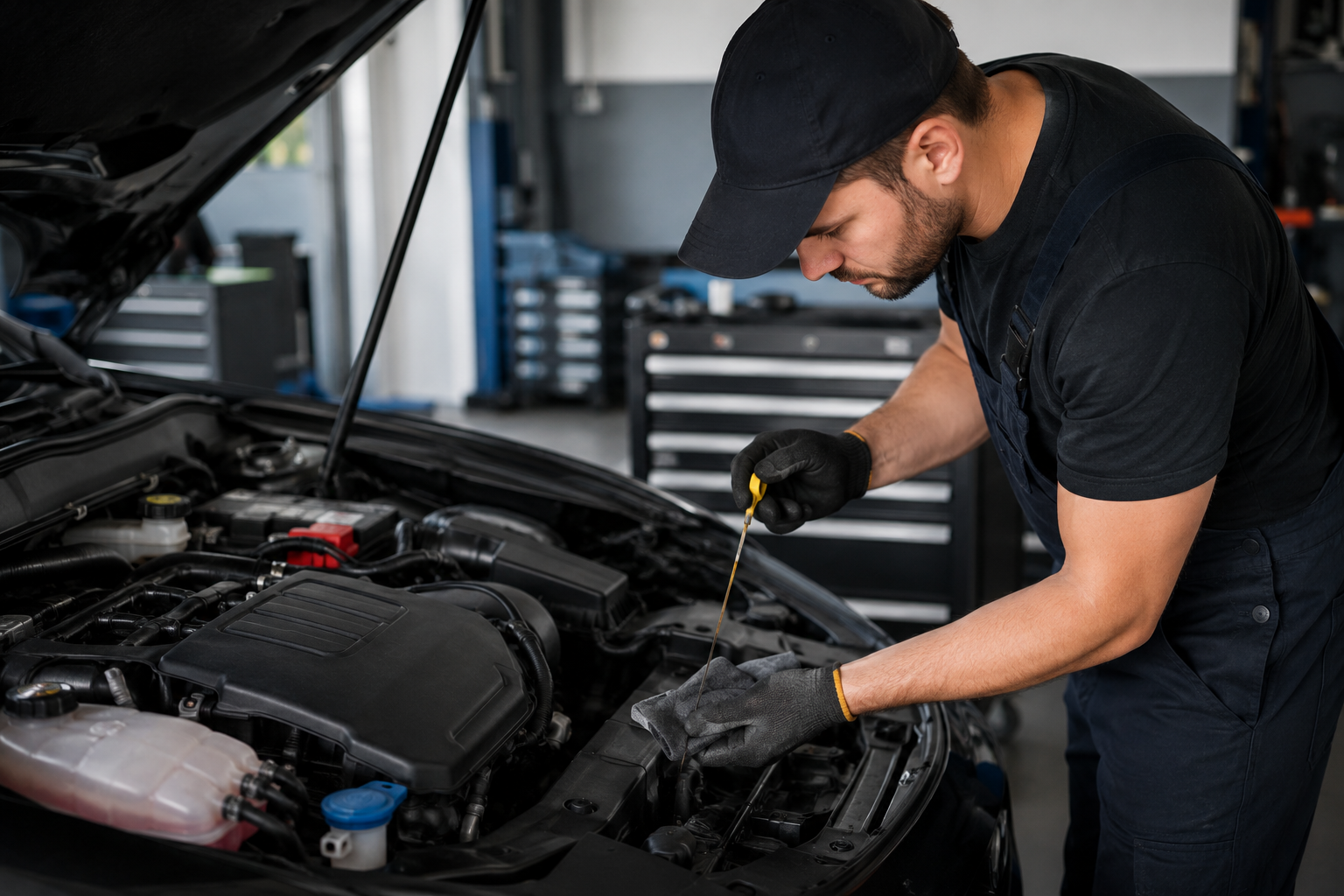
Keeping a car in excellent condition is not just about resolving problems as they arise. In reality, most major breakdowns start as small issues that people ignore for weeks or months. A simple maintenance routine can prevent most of these situations and also extend the life of the engine, electrical system, and other key components.
This guide focuses on practical maintenance habits that don’t require advanced tools or mechanical experience. The goal is to help you keep your car stable, reliable, and safe through consistent checks and simple routines.
Why Regular Maintenance Actually Matters
A car doesn’t fail suddenly in most cases. It usually gives warning signs that something is slowly getting worse. Regular maintenance helps you catch these issues early before they turn into expensive repairs.
Most breakdowns come from:
- Neglected fluids
- Worn filters
- Low tire pressure
- Weak battery condition
- Ignored small leaks or noises
When you ignore these small problems, they gradually affect larger systems like the engine, cooling unit, or electrical system.
Monthly Maintenance Routine (Simple but Effective)
You don’t need to inspect everything daily. A structured monthly routine is enough for most drivers.
Check engine oil level and condition
Engine oil keeps internal parts lubricated and prevents overheating and wear.
Look for:
- oil level below the minimum mark
- dark or dirty oil texture
- unusual burning smell
If oil looks very dark or gritty, it may need replacement sooner than expected.
Inspect coolant level and condition
The cooling system prevents the engine from overheating.
Check:
- coolant level in the reservoir
- color consistency (should not look rusty or dirty)
- visible leaks near the radiator or hoses
Low coolant levels can quickly lead to overheating issues.
Check tire pressure and wear
Tires affect safety, fuel efficiency, and driving comfort.
Look for:
- uneven wear patterns
- low pressure in any tire
- cracks on tire surface
Proper tire pressure improves stability and reduces fuel consumption.
Test battery condition
A weak battery is one of the most common causes of unexpected breakdowns.
Check:
- slow engine cranking
- dim headlights
- corrosion on terminals
If your car struggles to start occasionally, the battery may be weakening.
Inspect lights and electrical features
Small electrical issues often appear before bigger system failures.
Check:
- headlights and brake lights
- dashboard indicators
- power windows and infotainment system
If anything works intermittently, it may indicate wiring or grounding issues.
Engine Maintenance Habits That Prevent Major Problems
The engine is the most important and expensive part of your car, so small habits make a big difference.
Replace the air filter regularly
A clean air filter helps the engine breathe properly.
A clogged filter can cause the following:
- poor acceleration
- higher fuel consumption
- rough engine performance
Keep the throttle body clean
Over time, dirt and carbon build up inside the throttle body.
These issues can lead to:
- unstable idle
- hesitation during acceleration
A clean throttle body improves airflow response.
Monitor fuel quality
Low-quality fuel can affect engine performance over time.
It may cause:
- knocking sounds
- reduced efficiency
- deposits inside injectors
Using consistent fuel sources helps maintain engine stability.
Electrical System Care Routine
Modern cars depend heavily on stable electrical systems. Small electrical issues can affect many functions at once.
Clean battery terminals
Corrosion on terminals can block proper current flow.
Look for:
- white or green build-up on terminals
- loose battery connections
Cleaning terminals improves electrical stability.
Inspect ground connections
Ground points are often ignored but extremely important.
Weak grounding can cause the following:
- flickering lights
- random warning signals
- inconsistent electrical behavior
A simple tightening or cleaning can resolve many issues.
Check fuses and relays occasionally
Fuses protect electrical circuits, and relays control power distribution.
If a system stops working suddenly:
- check fuse condition
- inspect relay operation
Cooling System Maintenance
The cooling system protects the engine from overheating, which is one of the most damaging conditions for any car.
Check radiator hoses
Look for:
- cracks
- leaks
- swelling or softness in hoses
Damaged hoses can fail suddenly and cause overheating.
Monitor the temperature gauge
The temperature gauge should remain stable during driving.
If it fluctuates or rises quickly:
- cooling system may be struggling
- thermostat or coolant flow may be affected
Preventive Habits That Extend Car Life
Small habits can significantly reduce long-term repair costs.
Avoid aggressive driving when the engine is cold
Cold engines are more vulnerable to wear. Allowing a short warm-up improves lubrication.
Do not ignore small noises
Clicking, knocking, or squealing sounds often indicate early mechanical wear.
Keep the car clean (inside and outside)
Dirt and moisture can damage the following:
- electrical connectors
- paint surface
- rubber seals
Drive regularly
Long periods of inactivity can cause:
- battery drain
- fluid degradation
- tire flat spots
Real-World Example of Maintenance Failure
A common situation:
A driver ignores a slightly rough idle and occasional starting delay. Over time:
- battery weakens further
- alternator works harder
- voltage becomes unstable
- dashboard lights start flickering
Eventually, the car fails to start completely.
The root cause was not a sudden failure but neglected early warning signs.
Common Maintenance Mistakes
Many drivers unintentionally damage their cars by doing the following:
- only fixing problems after breakdown
- ignoring fluid levels until warning lights appear
- skipping battery and electrical checks
- using inconsistent maintenance schedules
- delaying filter replacements
These mistakes slowly reduce vehicle reliability.
When Maintenance Is Not Enough
Even with proper maintenance, some situations require professional attention:
- repeated overheating
- persistent warning lights
- continuous battery drain
- unusual burning smells
- sudden performance loss
At this point, deeper inspection is necessary.
Final Thoughts
Car maintenance is not complicated, but it requires consistency. Most major failures don’t happen suddenly—they develop slowly through ignored small issues. A simple monthly routine can prevent most breakdowns, improve performance, and extend the lifespan of your vehicle significantly. The goal is not perfection, but awareness. When you understand how your car behaves normally, it becomes much easier to notice when something is starting to go wrong.
FAQs
1. What is the most important car maintenance task?
Checking engine oil, coolant, and battery condition regularly is the most important because these directly affect engine health and starting reliability.
2. How often should I service my car?
Most cars should be serviced every 5,000 to 10,000 kilometers, but basic monthly checks are still necessary between services.
3. Can skipping maintenance damage the engine?
Yes. Ignoring small issues like low oil or poor cooling can lead to overheating, engine wear, and long-term damage.
4. Is tire pressure really that important?
Yes. Incorrect tire pressure affects safety, fuel efficiency, braking distance, and tire lifespan.
5. What happens if I never clean or check my battery?
Battery corrosion and weak connections can lead to starting issues, electrical instability, and unexpected breakdowns.

Written by Michael Reyes, part of the FallasDeAutos editorial team. Michael focuses on helping car owners understand and fix common vehicle problems with simple, practical guidance. His content covers diagnostics, maintenance, and troubleshooting, making complex automotive issues easier to understand. He aims to provide clear, reliable information that helps readers make informed decisions while encouraging consultation with qualified mechanics when needed.